batteries reading comprehension pdf

These PDFs offer concise battery overviews, ideal for IELTS practice․ They explain lithium‑ion chemistry, alkaline vs․ lithium‑ion differences, and real‑world applications․ Readers skim technical terms, then answer multiple‑choice questions to test comprehension and retention․ Practice quizzes deepen insight․!!
1․1 Purpose of Battery Content in Academic Reading

The inclusion of battery topics in academic reading materials serves multiple pedagogical goals․ First, it introduces learners to contemporary energy‑storage concepts that are increasingly relevant in science, engineering, and policy discussions; By presenting concise yet detailed descriptions of lithium‑ion chemistry, alkaline chemistry, and emerging technologies, students can develop contextual vocabulary and technical comprehension skills essential for higher coursework․ Second, battery passages provide a framework for practicing inference and summarization, as readers must identify key facts—such as energy density, cycle life, and environmental impact—and synthesize them into coherent responses․ Third, the material encourages critical evaluation of claims; for instance, students assess statements about “long‑duration, high‑density” power sources, weighing them against empirical data presented in tables or figures․ Finally, these readings align with standardized testing formats, offering authentic practice for multiple‑choice, true/false, and short‑answer questions that mirror exam expectations․ Consequently, battery content not only expands scientific literacy but also hones analytical reading strategies that transfer across disciplines․
Students also learn to judge source credibility by evaluating cited research and publication dates․
It safety protocols!
In sum, battery reading passages act as a microcosm of scientific discourse, equipping learners with linguistic tools and thinking skills necessary very to navigate material academic fields․
Types of Batteries Discussed in Sample Passages
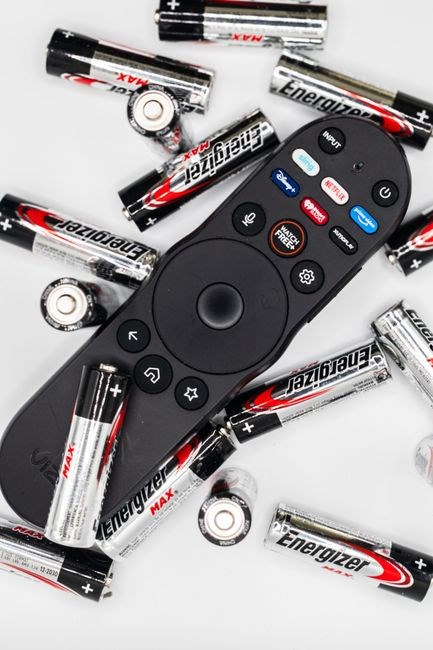
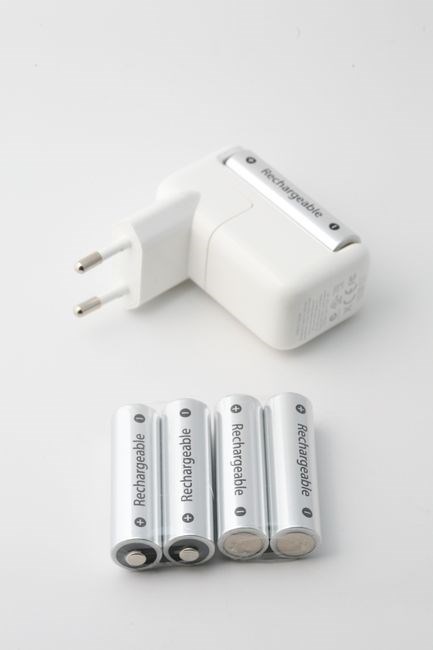
Sample PDFs cover alkaline, lithium‑ion, lead‑acid, and nickel‑metal hydride batteries․ Alkaline cells offer low cost and moderate capacity, while lithium‑ion delivers high energy density for portable electronics․ Lead‑acid is robust for automotive use, and nickel‑metal hydride balances safety and longevity․!
2․1 Alkaline vs․ Lithium‑Ion Batteries
Alkaline batteries, typically zinc‑carbon or zinc‑air, have been the workhorse of household devices for decades․ Their chemistry relies on a zinc anode and a manganese dioxide cathode, producing a nominal voltage of 1․5 V․ The electrolyte is usually a potassium hydroxide solution, which offers good ionic conductivity while maintaining a stable pH․ Alkaline cells are inexpensive, widely available, and can deliver a steady current for low‑power gadgets such as remote controls, flashlights, and wireless keyboards․ However, their energy density—around 100–120 Wh kg⁻¹—lags behind modern alternatives, and they suffer from a relatively short shelf life due to self‑discharge, especially when stored in high temperatures․
Lithium‑ion batteries, on the other hand, represent a leap in electrochemical design․ They employ a lithium‑cobalt oxide or lithium‑iron phosphate cathode, a graphite anode, and a liquid or solid electrolyte that allows lithium ions to shuttle back and forth during charge and discharge cycles․ The resulting nominal voltage per cell is roughly 3․6–3․7 V, and the energy density can exceed 250 Wh kg⁻¹, making them ideal for smartphones, laptops, and electric vehicles․ Their low self‑discharge rate (often below 2 % per month) and high cycle life (hundreds to thousands of full charge–discharge cycles) provide long‑term reliability․ Nonetheless, lithium‑ion batteries require sophisticated management systems to prevent overcharge, over‑discharge, and thermal runaway, adding complexity and cost․
When comparing the two, the choice hinges on application requirements․ For low‑cost, disposable devices where weight and size are secondary, alkaline batteries remain attractive․ For high‑performance, rechargeable systems demanding compactness and longevity, lithium‑ion dominates․ Academic reading passages often highlight these contrasts, prompting readers to identify key differences in chemistry, performance metrics, and safety considerations․ By focusing on specific data points—voltage, energy density, self‑discharge, and cost—students can answer targeted comprehension questions and develop a nuanced understanding of battery technology․
Environmental impact is another critical dimension․ Alkaline batteries contain heavy metals like cadmium and lead in some variants, posing disposal challenges; however, many modern alkaline cells are now lead‑free and can be recycled through municipal programs․ Lithium‑ion batteries, while offering higher performance, contain cobalt and nickel, which require careful extraction and recycling processes to mitigate ecological footprints․ Academic texts often ask students to evaluate trade‑offs between performance and sustainability, encouraging critical thinking about the life‑cycle of battery technologies․
2․2 Lead‑Acid and Nickel‑Metal Hydride Batteries
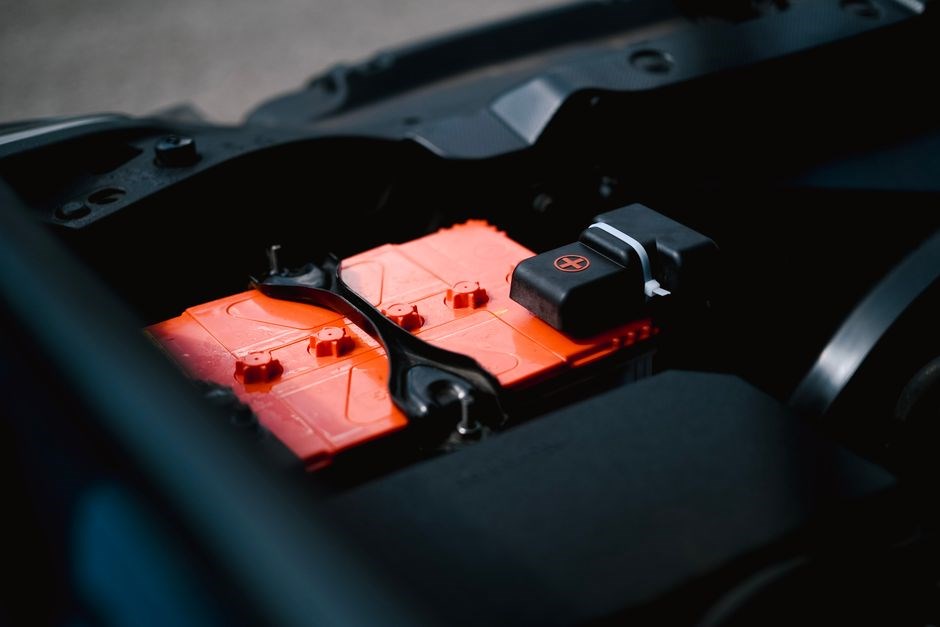
Lead‑acid cells, the oldest rechargeable technology, use lead dioxide and sponge lead plates with sulfuric acid electrolyte․ They deliver 2 V per cell and are prized for high surge currents, making them standard in automotive starters, UPS systems, and backup power․ Their energy density sits around 30–40 Wh kg⁻¹, and they can be cycled thousands of times if maintained properly․ However, lead‑acid batteries are heavy, contain toxic lead, and suffer from sulfation when left discharged, which shortens lifespan․ Environmental regulations now push for lead‑free alternatives and improved recycling streams․
Nickel‑metal hydride (NiMH) batteries replace the lead plates with a nickel oxide hydroxide cathode and a hydrogen‑absorbing alloy anode․ They operate at 1․2 V per cell, offering higher energy density than lead‑acid—typically 60–120 Wh kg⁻¹—while remaining relatively inexpensive․ NiMH’s self‑discharge rate is higher than lithium‑ion but lower than alkaline, and they tolerate deep discharges better than lead‑acid․ NiMH is common in hybrid vehicles, power tools, and consumer electronics that demand moderate capacity and robust cycle life․
Academic reading passages often juxtapose these chemistries, asking students to compare voltage, capacity, weight, and environmental impact․ Questions may probe the role of electrolyte composition, the impact of temperature on performance, or the importance of proper charging protocols․ By extracting quantitative data—voltage, ampere‑hour ratings, cycle counts—readers can answer multiple‑choice or true/false items that test comprehension of battery fundamentals and real‑world applications․
Students are encouraged to evaluate trade‑offs between cost, performance, and environmental impact, fostering critical analysis of battery selection now․!?

Structure of Battery‑Themed Reading Passages
Passages are organized into sections: an intro, technical details, comparison tables, and a summary․ Main themes highlight battery types, chemistry, and real use․ Questions follow, testing identifying key terms, data interpretation, inference skills!!․!

3․1 Passage Organization and Main Themes
Battery‑themed reading passages in academic PDFs are carefully structured to guide learners through complex technical material while maintaining clear narrative flow․ The typical layout begins with a concise introductory paragraph that sets the context: it explains why batteries are critical in modern technology and outlines the scope of the passage․ Following this, the body is divided into logical subsections, each focusing on a distinct aspect of battery science․ For example, one subsection may detail the electrochemical principles of lithium‑ion cells, including the role of cathode and anode materials, electrolyte composition, and charge‑discharge cycles․ Another subsection contrasts alkaline and nickel‑metal hydride chemistries, highlighting differences in voltage output, energy density, and environmental impact․ A third section often presents real‑world applications, such as electric vehicles, portable electronics, and renewable energy storage, illustrating how theoretical concepts translate into practical solutions․ Throughout the passage, technical terms are introduced with brief definitions, and key data points are emphasized using bold or italic formatting to aid skimming․ The conclusion recaps the main points and may pose a reflective question to encourage critical thinking․ This structured approach not only supports comprehension but also aligns with common IELTS reading test formats, where students must identify main ideas, infer meanings, and evaluate information presented in a systematic manner․
Students benefit from this design by practicing scanning for keywords and summarizing each subsection in a sentence․ The inclusion of comparative tables reinforces quantitative reasoning․ Passages serve as tools for language proficiency and technical literacy․ Reading speed improves!
3․2 Typical Question Formats (Multiple Choice, True/False)
In battery reading comprehension PDFs, questions are designed to mirror IELTS style, focusing on comprehension, inference, and detail retrieval․ The most common format is multiple‑choice, where each question presents a statement or a passage excerpt followed by four answer options․ Test‑takers must locate evidence in the text to support the correct choice, often requiring careful scanning of technical terms such as “lithium‑ion”, “alkaline”, or “energy density”․ Another frequent format is true/false statements, which challenge students to evaluate whether a claim aligns with the passage content․ These statements may be derived from key facts, such as the historical development of lithium‑ion chemistry in the 1960s, or from comparative data presented in tables․ Both formats encourage active reading: multiple‑choice questions demand precise detail identification, while true/false prompts require synthesis of broader themes․ The PDFs also occasionally include short answer or matching items, but the majority of exercises remain in the multiple‑choice and true/false categories, providing a balanced assessment of reading skills and technical vocabulary․ By practicing these formats, learners improve their ability to quickly locate information, assess its validity, and apply it to new contexts, which is essential for success in academic reading tests․ Students also tackle matching‑type questions, which assess their skill in linking ideas across different sections of the passage more․ Additionally, some PDFs include a short answer section that requires concise explanations of key concepts․ Some PDFs also have an answer section for explanations of key brief points!

Sample Passage Highlights from Key PDFs
The 2018 academic PDF highlights lithium‑ion battery evolution, noting early 1960s experiments and breakthrough chemistry It contrasts alkaline and lithium‑ion cells, details energy density, and discusses portable electronics Readers identify facts answer questions․
4․1 Technical Details in the 2018 Academic Reading Example
The 2018 academic reading example focuses on the evolution of lithium‑ion technology, detailing how the concept emerged in the early 1960s when both private and public sectors experimented with lithium‑based cells․ The passage explains that the breakthrough came when researchers incorporated lithium ions into the electrode chemistry, enabling a high‑energy‑density, long‑duration power source that fits into compact devices․ It outlines the key parameters of lithium‑ion batteries: nominal voltage around 3․6–3․7 V per cell, capacity ranging from 100 mAh for small button cells to several thousand mAh for automotive packs, and a typical cycle life of 300–500 full charge–discharge cycles before significant capacity fade; The text also compares these figures to conventional alkaline batteries, noting that lithium‑ion cells can deliver up to 80 % more energy per unit weight and maintain performance over a broader temperature range (–20 °C to 60 °C)․ Additionally, the passage discusses safety features such as built‑in protection circuits, thermal runaway mitigation, and the importance of proper charging protocols to avoid over‑voltage or over‑current conditions․ Finally, the example highlights real‑world applications, citing smartphones, laptops, electric vehicles, and grid‑storage systems, and concludes with a brief overview of future research directions, including solid‑state electrolytes and high‑capacity anode materials․ The passage ends with a set of ten multiple‑choice questions designed to test comprehension of the technical details presented above․
Supplementary tables illustrate voltage curves, capacity retention over cycles, and temperature effects, while figures depict schematic cell architecture and charge–discharge profiles․ The example emphasizes the role of electrolyte composition and separator design in mitigating dendrite growth, a key challenge in high‑capacity lithium‑ion cells․
Data tables aid prediction and safety!
Effective Reading Strategies for These PDFs
Begin by skimming headings and key terms such as capacity, cycle life, and electrolyte․ Focus on technical vocabulary, then examine tables and figures for data comparison․ Use cross‑references to connect concepts, and answer the multiple‑choice questions to confirm understanding review data! now․
5․1 Skimming for Technical Terms and Contextual Clues
Skimming is the first step in mastering battery‑focused reading passages․ By quickly scanning the text, you locate key technical terms—such as “capacity,” “cycle life,” “electrolyte,” “anode,” and “cathode”—that anchor the passage’s scientific narrative․ Notice how these words appear in bold or italics; they signal important concepts that the author expects you to grasp․ Pay attention to the surrounding context: phrases like “high‑energy density” or “long‑lasting discharge” hint at performance attributes․ As you skim, jot down a mental list of these terms and their immediate descriptors․ This list becomes a roadmap for deeper reading․ When you return to the passage, you can quickly locate the precise definitions or explanations, saving time and reducing cognitive load․ Skimming also reveals the structure: introductory sections often define the battery types, while subsequent paragraphs compare performance metrics․ By identifying these structural cues, you can anticipate where the author will discuss trade‑offs, such as safety versus energy density․ Finally, use skimming to spot question‑directing signals—phrases like “which of the following” or “according to the passage․” These cues guide you to the exact passage segment that contains the answer, ensuring efficient retrieval during timed tests․ Practice this technique regularly, and you’ll notice a marked improvement in both speed and accuracy when tackling battery reading comprehension PDFs․ Integrating habits boosts comprehension and builds confidence tackling data‑dense battery passages ! Practice daily now

5․2 Cross‑Referencing Data Tables and Figures
Cross‑referencing data tables and figures is essential when navigating battery reading comprehension PDFs․ Begin by locating the table that lists capacity, voltage, and cycle life for each battery type․ Notice the units—mAh for capacity, V for voltage, and cycles for longevity․ Match the numerical values to the narrative: a table entry of 2600 mAh for a lithium‑ion cell should correspond to a sentence describing its high energy density․ When a figure illustrates discharge curves, identify the axes labels; the y‑axis typically shows voltage, while the x‑axis represents time or capacity․ Look for key points where the curve drops sharply—this indicates the cutoff voltage․ Cross‑check these points with the text’s explanation of safety thresholds․ Pay special attention to footnotes; they often clarify assumptions such as temperature or load conditions․ If the PDF includes a bar chart comparing cost per kWh, compare the bar heights to the passage’s discussion of economic viability․ Align the visual data with the author’s claims: does the figure support a claim that lithium‑ion batteries are more expensive than alkaline? Finally, practice annotating the PDF: underline the table row that matches the passage’s example, circle the figure’s critical intersection, and write a brief note in the margin․ Repeated practice of this cross‑referencing technique sharpens your ability to synthesize textual and visual information quickly, a skill that is invaluable for timed exams and real‑world battery analysis alike․ When interpreting figures, remember that legends provide critical context․ A legend might indicate that the shaded area represents the usable capacity under a 0․5 C discharge rate․ Aligning this with the passage’s mention of “moderate load” ensures that you are not misreading the data․ By systematically matching each data point to the corresponding textual assertion, you reduce the risk of selecting an answer based on a misinterpretation of the visual aid․ This skill set not only boosts your reading scores but also equips you for technical roles that demand rapid assimilation of complex battery information․ daily now․



Leave a Reply
You must be logged in to post a comment.